

BLOG

Storytelling in content: What does it really mean?
Storytelling is a buzzword all content creators have heard - but do they know what it means? We break down what storytelling means and why using it can make good content turn out great.
With a tag-line like ‘stories worth sharing’ you’d think we know a two about storytelling. And we do. At Locomedia, our passion is finding engaging and compelling ways to produce content – whether that’s an article, a press release or a 140-character tweet. And we do it really well because we use storytelling.
But what does storytelling mean?
Not unlike a tale told over a pint at the pub, storytelling means sharing with an audience an experience that moves them. And when an audience is moved, it actually alters their brain chemistry.
“Stories are powerful because they transport us into other people’s worlds and change the way our brains work and potentially change our brain chemistry,” says Paul Zaks in this interview with Yesware.com.
Zak, a neuro-economics researcher, has found that highly engaging stories elicit powerful emphatic responses by triggering the release of oxytocin, or the ‘trust hormone’.
So whether people moved to laugh, cry, wince or scream – it all counts towards powerful storytelling. But in in the content creation business, we want to move them buy.
Storytelling has become the buzzword of the marketing world. And that’s because the emotional potential Zak explains gives stories the power to achieve many of the goals content writers strive for – creating trust, building credibility and being remembered.
“People remember what they care about and bond with. When you engage listeners in a powerful, entertaining, and informative story, they remember it, and many times they ask for more,” says marketing consultant Al Lautenslager in Entrepreneur.
So what makes a good story? Look no further than the tried and true method used in a lot of kids' storybooks. Audiences (young and old) want a hero, a climax and a take-home message. But most important of all, they want the story to be real.
“Storytelling is the perfect platform to let your brand’s personality shine through. Not by selling, but via the stories you tell,” says Steve Olenski in Forbes. “Just remember your customers want to see and experience your brand’s personality. Ensure the brand is intrinsically linked to the story’s message.”
The danger in storytelling is letting the tale run away from the brand. Sometimes a story is so good the message is lost. Content creators have to strike a fine balance between creating a message that people can get swept up in, but stays true to the heart and soul of the brand.
They also have to remember to keep their target in mind. If the story isn’t crafted to resonate with a specific audience, it is likely to miss that market altogether. Content creators should always write with the perspective of the customer in mind.
Need an example? Think of the fitness industry. Rarely do these content creators push their equipment or services. Instead, they focus on the fitness journey – or the story – of their brand.
“We know staying fit and maintaining a healthy lifestyle is hard for most people, so we inspire our readers and clients with stories,” Terry Moncada of GymJunkies tells Olenski in Forbes.
“Stories of ordinary people who broke bad habits in extraordinary ways, stories of how we also sometimes feel too lazy or too busy to go to the gym. We don’t have a problem with being vulnerable and it touches our readers emotionally and kicks them into action."
And what's great about storytelling is you can use it to kicking audiences into action on nearly every platform. It works in articles, blogs, press releases and social media content. Just think of the meteoric rise of Instagram, where every picture tells a story.
The possibilities are truly endless. And now you know why we're always asking, "How can we tell your story?"

What's the point of a #hashtag on social media?
Hashtags are more than annoying # symbols clogging your social media feed. They're a powerful way for businesses to boost content, and we've got the three top tips you need to hashtag the right way.
When your mamma starts using hashtags on Facebook, you know you've reached peak saturation. And when it comes to the hashtag, you couldn't argue otherwise. Everyone - and their mamma - is using the little number symbol to highlight their social media posts. It's gotten so popular that in 2014, the word 'hashtag' was added to the Oxford English Dictionary. That's saying something.
But ironically, most hashtags aren't saying anything at all.
A surprising number of people on social media are throwing around #'s with little or no understanding of the point. While this is forgivable amongst personal users, who drop a hashtag on every second word, it's not okay for businesses.
"While social media users have readily embraced hashtags as an important way to discover new content and connect with others, many companies are still wondering whether hashtags are just a fad or are a feature that can drive revenue," says Kevin Bobowski, writing for Entrepreneur.com.
The hashtag made its debut in 2007. Since then it's become the most popular way to categorise content on social media. It creates a virtual database of content linked to a specific topic that is accessible anytime, anywhere via a simple search on a social media platform.
What does that mean? It means that when social media users interested in wine are looking for good content about wine, all they have to do is head to their favourite social media platform and search for it: #wine.
Every single post that has been tagged #wine will appear in the results. And if you're in the wine business, your content should be coming up there too.
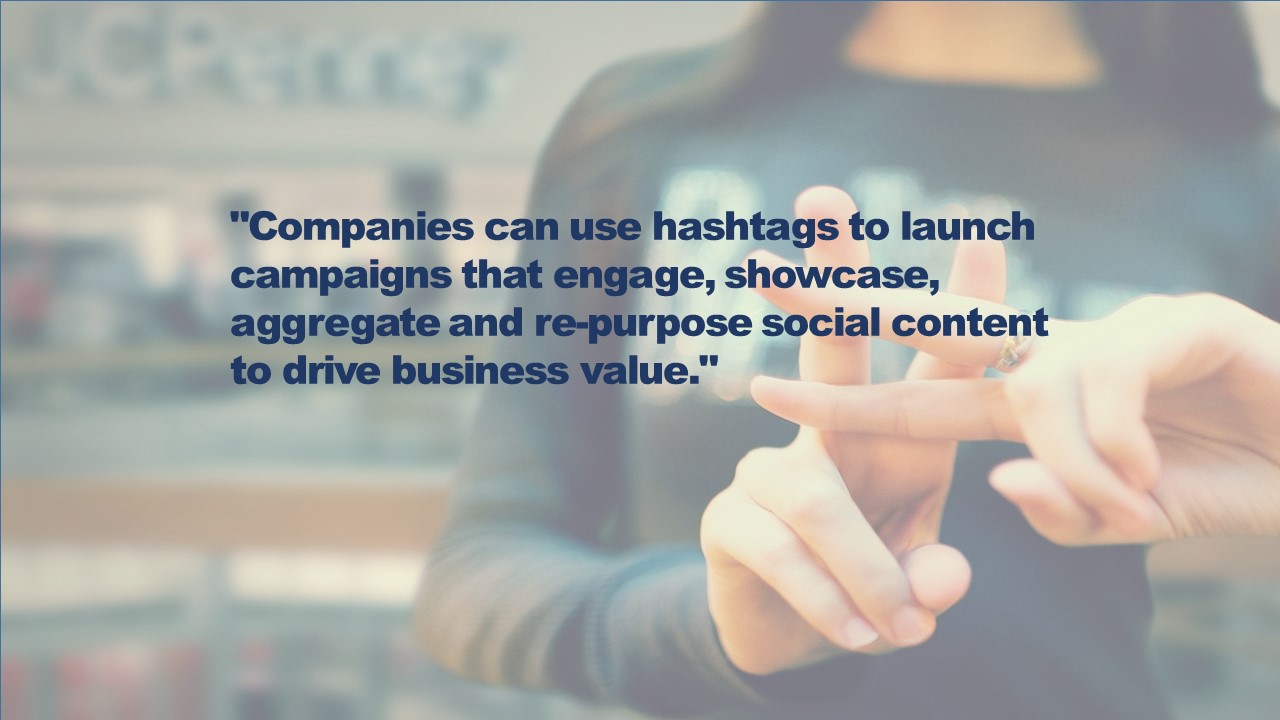
"Companies can enlist hashtags to launch complete campaigns that engage, showcase, aggregate and re-purpose social content to drive business value," says Bobowski.
But if you don't use hashtags in your posts you're being left behind. Your content, no matter how great it is, isn't getting read by dozens of social media users who could be your next customer.
While rectifying this situation may sound as easy as inserting a hashtag into your next post, think again. Serious strategy should go into your use of a hashtag ensuring that you're highlighting the right words and standing out from the many others who are hash-tagging along with you. Here are our three top tips to getting hashtags right:
Pick a keyword - and stick to it
This can be trickier than it sounds. If you're in the wine business, as mentioned earlier, it may seem legit to simply use #wine. But if you consider how many other people are using #wine in their posts, you'll quickly realise it's an over-saturated category. Instead, try finding a way to link your wine business to something more unique that relates specifically to your brand but is also relevant. For example, if you're a South African wine producer, you might choose to go with #SAwine to set yourself apart from the crowd. Whatever you choose, make sure you stick to it. Your unique hashtag should be used often and should easily fit in with the content you're posting.
Don't go overboard
Johnny Twitter-user loves a hashtag. Every #post he writes on #Twitter has a #hashtag and he #dontcare how #annoying it looks. But Johnny Twitter-user is wrong. You should absolutely be using hashtags on your social media posts - but you should absolutely not go overboard. Having too many hashtags makes content look disorganised. It can also take the focus away from your industry or business, and that can mean the people seeing your content are not the right audience. Limit your # to the most relevant one or two words in your posting. If you've got your own unique hashtag, that is usually the only one you need to use.
Make it viral
Once you've nailed down a unique hashtag, and content that works really well with it, it's time to grow. Open the hashtag up to your followers. You can do this by simply inviting your your followers to also use your hashtag too, or you can create a campaign out of it and launch a contest, give-away or experience. By encouraging users to engage with your hashtag, you're increasing the number of people who see it - and the number of people who see your brand. You're also growing the pool of content connected to your hashtag, and that gives it more integrity and credibility to those who see it on social media.

Take Five with Girl Eat World's Kamini Pather
Girl Eat World's Kamini Pather caters to a horde of hungry social media followers, and she does it in style. She dishes up to us about her favorite accounts, her #eatgram and finding success.
They say we eat with our eyes, but photos hardly do justice to how absolutely delicious our favourite dishes can be. Still, social media shows no signs of slowing down on the food-photography front. As our news feeds fill with decadent pictures of scrumptious food, we can hardly keep our tummies from grumbling or our fingers from tapping 'like.' There's a reason they call it foodporn!
Leading the local food scene on social media (and killing us with her drool-worthy #eatgram photos!) is one of our favourite online personalities, Kamini Pather. Winner of SA MasterChef 2013 and the face of her very own food and travel show Girl Eat World, she knows a thing or two about what makes good food - and how to share it with her digital audience.
We were thrilled with the opportunity to sit down with Kamini and chat with her about all things social media - including her stellar career and how she manages to make our mouths water on Instagram.
Kamini Pather's Girl Eat World debuted on Food Network in May 2015.
You have a really active social media presence. What inspires you to keep it up?
People inspire me to keep going. When I get feedback about how my life has allowed people to live differently or explore their worlds more, that makes me feel as though the time spent on creating digital content is worth it.
Why is it important for a personal brand to be on social media?
It’s direct access to your audience. I have felt powerful when I have interacted with brands (personal or other) through social media. It has made me feel as though I was closing the degrees of separation.
Who are some of your favorite social media personalities?
I am obsessed with Instagram and have many people that I adore. @manmakecoffee is a beautifully curated coffee-lifestyle account. The Pretty Blog is a locally produced profile that started as a wedding-specific blog, but has ventured into lifestyle and food. Rene Redzepi is the chef at NOMA, the number one restaurant in the world. That is a bucket list destination for me. His IG account documents the crazy produce that he finds in Denmark and Australia, and how he uses it.
You also really active on Snapchat. What do you like about it?
I enjoy the way Snapchat groups snap from popular world events like Easter, or Holi in India or the bombings in Brussels. It’s a very real view of how people live. I am obsessed with Dj Khaled on Snapchat. I can hear my brain cells popping but he is the train wreck that you can’t tear your eyes away from.
What's the most surprising thing that's happened to you because of social media?
I get offered jobs via social media. I am developing a book and the publisher who propositioned me with this idea has been following me on IG and contacted me. My job hadn’t been invented until recently and that’s all thanks to social media and the digital world.
We love your #eatgram! What tips do you have for amateur food photographers on Instagram?
Look at other IGers and their style of photography. See how they use props, cropping and above all else, LIGHT. Do not use the flash for any photograph. Not any.
How important is it to engage with your audience on social media?
That’s the point, is it not? No engagement means no followers.

Instagram SA's fastest growing #socialmedia platform
Growing to over 2.6 million SA users in 2015, Instagram is a hive of potential new customers that need to hear your brand story.
Not on Instagram? It may be time to change that. The photo-sharing platform has more than doubled its user base in the past year, according to the South African Social Media Landscape 2016 study.
Growing from 1.1 million users in 2014 to over 2.6 million in 2015, Instagram's a veritable hive of potential new customers that need to hear your brand story.
"As brands become more comfortable with specific social networks, they become far more effective at using them as marketing and positioning platforms," says Fuseware's Mike Wronski. "Instagram is already the big winner among users. Brands want to tap into that enthusiasm."
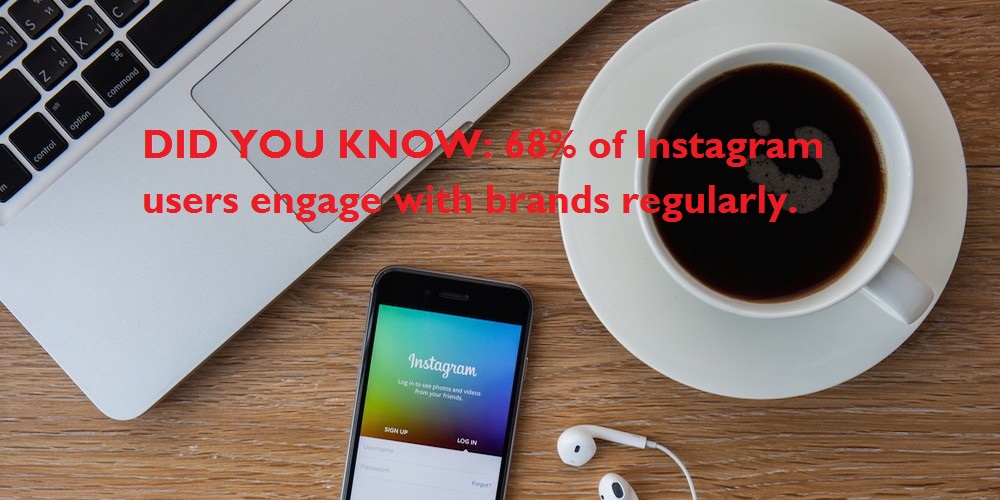
Instagram may not rank as SA's number one social platform, but it is the most engaging. According to data from Social Media Today, “Instagram has 58 times more engagement per follower than Facebook.”
That means Instagram users are more likely to interact with your content. And the more people like, follow and comment - the more attention they're paying paying to your brand and your story.
Still not convinced? Some companies think their info is way too boring to be on Instagram, or that it simply wouldn't benefit business bottom lines. They would be wrong.
Cool photos are possible to capture in every industry. All you have to do is point, click and let the pictures do the talking for you. Before you know it, you'll increase your brand reach and your potential client base.
According to World Wide Worx, 24% of companies not using Instagram say they plan to in the coming year. Here are our top three reasons why you should join them:
Create a customer bond
Imagery can be intimate. Sharing pictures of your company's progress gives clients an inside glimpse of your business and the people who are behind it. Whether it's a new project, new client or even a new offering on the cantine menu, this is one of the best ways to show the online sphere what a day in your office looks like.
Highlight your portfolio
Showcasing your company's work opens up doors for growing a customer base and for increasing productivity. A snap of a completed work or a big-time campaign in action shows off the standard and quality of what your company produces. That's guaranteed to impress customers, and may even entice other brands to reach out with collaboration opportunities.
Showcase your employees
A happy business needs happy employees. Instagram offers a number of opportunities to put the people behind your business in the spotlight. Think of it as an online version of the 'employee of the month' campaign. Posting a pic of a job well done leaves staff feeling motivated and satisfied. Pubic recognition also shows clients that your employees matter to you.
You won't BELIEVE what experts say about good content!
Actually, you will. Because that headline has nothing to do with what this article is about. But it has everything to do with something called clickbait.
Actually, you will. Because that headline has nothing to do with what this article is about. But it has everything to do with something called clickbait.
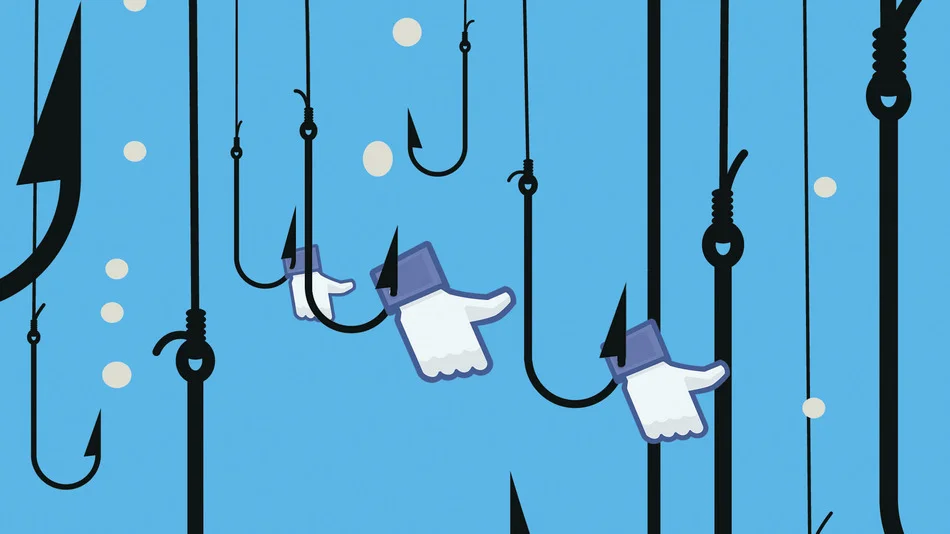
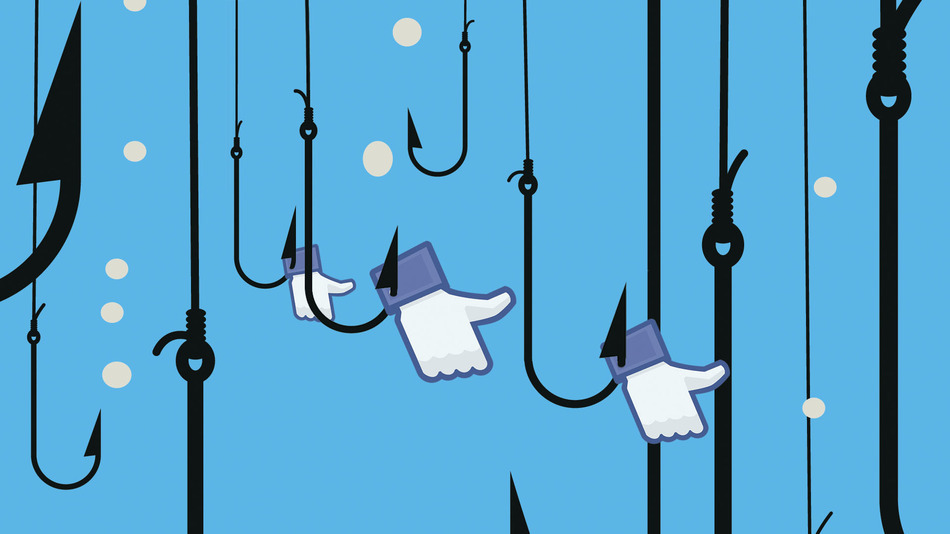
Clickbait is the most talked-about social media gimmick going. It's a tactic headline writers use to get people to click on a link regardless of whether or not that headline has anything to do with the story.
It's one of the many ways to get content to stand out from the information overload that is the internet. And when we say there's a lot of content online, we're not kidding. Every day two million blog posts, 294 billion emails and over 800 thousand hours of video are created.
With that much choice, it's no wonder sneaky tricks are getting used. But there’s a price. According to journalism lecturer Charles King from the Cape Peninsula University of Technology, it will cost you your audience.
"Without good content on your blog, website, or social media platform, visitors will quickly bounce out of there and be on their way on to the next site, with little chance of ever returning," he says.
While it seem a whole lot easier to write a clickbait headline than produce good content, it’s actually easier than it sounds. All you need is a solid plan that identifies your content goals and matches your words with your expected outcomes.
"If your goal is to create high-quality and thought leadership-driving content, then consider raising your game rather than opting for tactics," says King.
"Strive to create content that’s original, engaging, valuable and compelling. While this will take time and expertise, it will stand out from the mostly mundane ocean of so-called ‘content’ that exists online."
Good content also needs to be packaged well. Don’t skimp on including high-quality images, vibrant video and social media posts that attract the target audience.
"Without extraordinary social media content, nobody will consider sharing, re-tweeting, or liking what you have produced," says King. "That means you will never be able to build your brand or your online reputation."