

BLOG

Storytelling in content: What does it really mean?
Storytelling is a buzzword all content creators have heard - but do they know what it means? We break down what storytelling means and why using it can make good content turn out great.
With a tag-line like ‘stories worth sharing’ you’d think we know a two about storytelling. And we do. At Locomedia, our passion is finding engaging and compelling ways to produce content – whether that’s an article, a press release or a 140-character tweet. And we do it really well because we use storytelling.
But what does storytelling mean?
Not unlike a tale told over a pint at the pub, storytelling means sharing with an audience an experience that moves them. And when an audience is moved, it actually alters their brain chemistry.
“Stories are powerful because they transport us into other people’s worlds and change the way our brains work and potentially change our brain chemistry,” says Paul Zaks in this interview with Yesware.com.
Zak, a neuro-economics researcher, has found that highly engaging stories elicit powerful emphatic responses by triggering the release of oxytocin, or the ‘trust hormone’.
So whether people moved to laugh, cry, wince or scream – it all counts towards powerful storytelling. But in in the content creation business, we want to move them buy.
Storytelling has become the buzzword of the marketing world. And that’s because the emotional potential Zak explains gives stories the power to achieve many of the goals content writers strive for – creating trust, building credibility and being remembered.
“People remember what they care about and bond with. When you engage listeners in a powerful, entertaining, and informative story, they remember it, and many times they ask for more,” says marketing consultant Al Lautenslager in Entrepreneur.
So what makes a good story? Look no further than the tried and true method used in a lot of kids' storybooks. Audiences (young and old) want a hero, a climax and a take-home message. But most important of all, they want the story to be real.
“Storytelling is the perfect platform to let your brand’s personality shine through. Not by selling, but via the stories you tell,” says Steve Olenski in Forbes. “Just remember your customers want to see and experience your brand’s personality. Ensure the brand is intrinsically linked to the story’s message.”
The danger in storytelling is letting the tale run away from the brand. Sometimes a story is so good the message is lost. Content creators have to strike a fine balance between creating a message that people can get swept up in, but stays true to the heart and soul of the brand.
They also have to remember to keep their target in mind. If the story isn’t crafted to resonate with a specific audience, it is likely to miss that market altogether. Content creators should always write with the perspective of the customer in mind.
Need an example? Think of the fitness industry. Rarely do these content creators push their equipment or services. Instead, they focus on the fitness journey – or the story – of their brand.
“We know staying fit and maintaining a healthy lifestyle is hard for most people, so we inspire our readers and clients with stories,” Terry Moncada of GymJunkies tells Olenski in Forbes.
“Stories of ordinary people who broke bad habits in extraordinary ways, stories of how we also sometimes feel too lazy or too busy to go to the gym. We don’t have a problem with being vulnerable and it touches our readers emotionally and kicks them into action."
And what's great about storytelling is you can use it to kicking audiences into action on nearly every platform. It works in articles, blogs, press releases and social media content. Just think of the meteoric rise of Instagram, where every picture tells a story.
The possibilities are truly endless. And now you know why we're always asking, "How can we tell your story?"

A commitment-phobe's guide to blogging
Every website we design features a blog page. It's become an unspoken must-have for brands who believe they’ve gotta have it. But is that true? We’re here to tell you that no, it’s not.
Nearly every new website we design features a blog page. It's become an unspoken must-have for brands, who blindly believe they’ve gotta have it. But is that true?
We’re here to tell you that no, it’s not.
There’s no doubt there are real perks to having a blog. According to Social Media Today, it can have a measurable impact on brand awareness. More than 80% of all blog traffic consists of new visitors who are learning about your brand for the first time – these are new customers.
But tapping into those benefits takes commitment. Having a blog requires that you actually blog. And while most people realise this, they don’t realise the consequences of not blogging.
There are two common scenarios here. One is where the blog launches with regular content, and then tapers off until the posts start coming erratically – maybe one week, two weeks, even months apart. The second is where the blog launches empty, and stays that way – you never posted anything.
An erratic or empty blog seems harmless, but it actually says a lot about your brand. And none of it is good. It says you didn’t think your strategy through, and it says you aren’t committed to managing your time or your audience.

Think about how you feel when you click on a competitor or brand’s blog and see their last post was July 2014. Doesn’t make them very credible does it?
The same applies to you. But it’s so easy not to fall into this trap. The secret is launching your blog with a solid plan that focuses on your content, your audience and your goals.
Once you’ve committed (that ugly word again!), it takes no time for the hard work to pay off and the rewards to pour in. More than 60% of readers make a purchase based on the blog post, says Social Media Today.
So before you start your blog – or ask us to build it into your website – check out our top three secrets for blog success:
Content creators
You’ve got a business to run, you probably don’t have time to sit at the computer and write. That’s where content creators come in. These are people who write for a living, and can produce the quality content that’s going to make your blog stand out. Sure, you’ve got to invest in bloggers and actually pay them, but when they’re helping you grow your customer base without adding to your workload, the investment is well worth it.
Audience research
Good content creators aren’t going to write whatever comes into their heads. They’re going to do their homework. Figuring out who your customers are, and what they want to read, is the first step they’ll take to creating your blog. By spending the time on audience research, your bloggers will zero-in on the topics, tone and format that your audience wants – and that attracts new readers.
Consistency
If content is King, then consistency is Queen. Putting out quality blog content on a regular basis is going to make it clear to your audience that you mean business. Statistics show that after 20-30 blog posts, readers are hooked. And they’ll keep coming back for more – because you keep posting more. As the frequency of a visitor increases, so does the likelihood that they’ll become a customer and advocate of your brand. And that’s the bottom line you’ll be looking for.
You won't BELIEVE what experts say about good content!
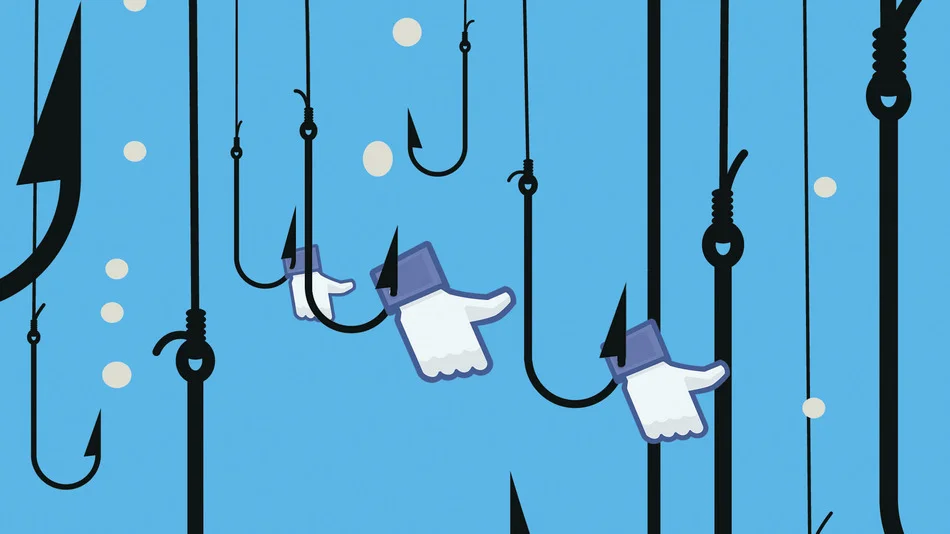
Actually, you will. Because that headline has nothing to do with what this article is about. But it has everything to do with something called clickbait.
Actually, you will. Because that headline has nothing to do with what this article is about. But it has everything to do with something called clickbait.
Clickbait is the most talked-about social media gimmick going. It's a tactic headline writers use to get people to click on a link regardless of whether or not that headline has anything to do with the story.
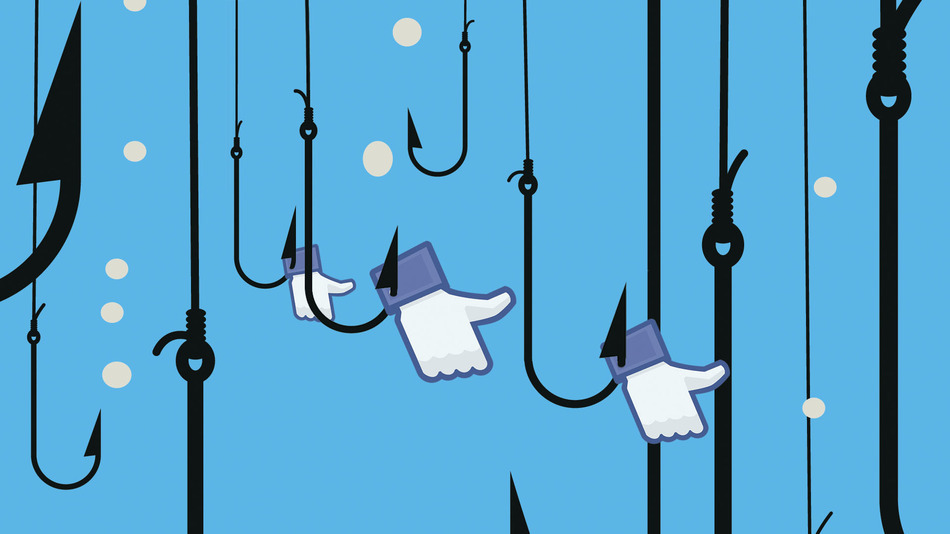
It's one of the many ways to get content to stand out from the information overload that is the internet. And when we say there's a lot of content online, we're not kidding. Every day two million blog posts, 294 billion emails and over 800 thousand hours of video are created.
With that much choice, it's no wonder sneaky tricks are getting used. But there’s a price. According to journalism lecturer Charles King from the Cape Peninsula University of Technology, it will cost you your audience.
"Without good content on your blog, website, or social media platform, visitors will quickly bounce out of there and be on their way on to the next site, with little chance of ever returning," he says.
While it seem a whole lot easier to write a clickbait headline than produce good content, it’s actually easier than it sounds. All you need is a solid plan that identifies your content goals and matches your words with your expected outcomes.
"If your goal is to create high-quality and thought leadership-driving content, then consider raising your game rather than opting for tactics," says King.
"Strive to create content that’s original, engaging, valuable and compelling. While this will take time and expertise, it will stand out from the mostly mundane ocean of so-called ‘content’ that exists online."
Good content also needs to be packaged well. Don’t skimp on including high-quality images, vibrant video and social media posts that attract the target audience.
"Without extraordinary social media content, nobody will consider sharing, re-tweeting, or liking what you have produced," says King. "That means you will never be able to build your brand or your online reputation."